Today in our Theatres
LEDOUX LEDOUX
Saturday 10.10
17:00
Carte Blanche Gérard Corbiau
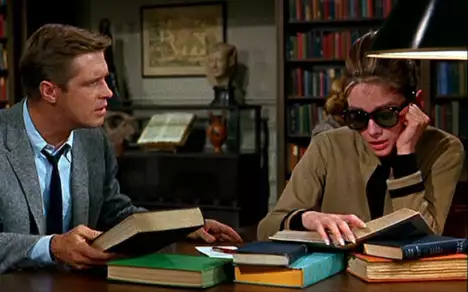
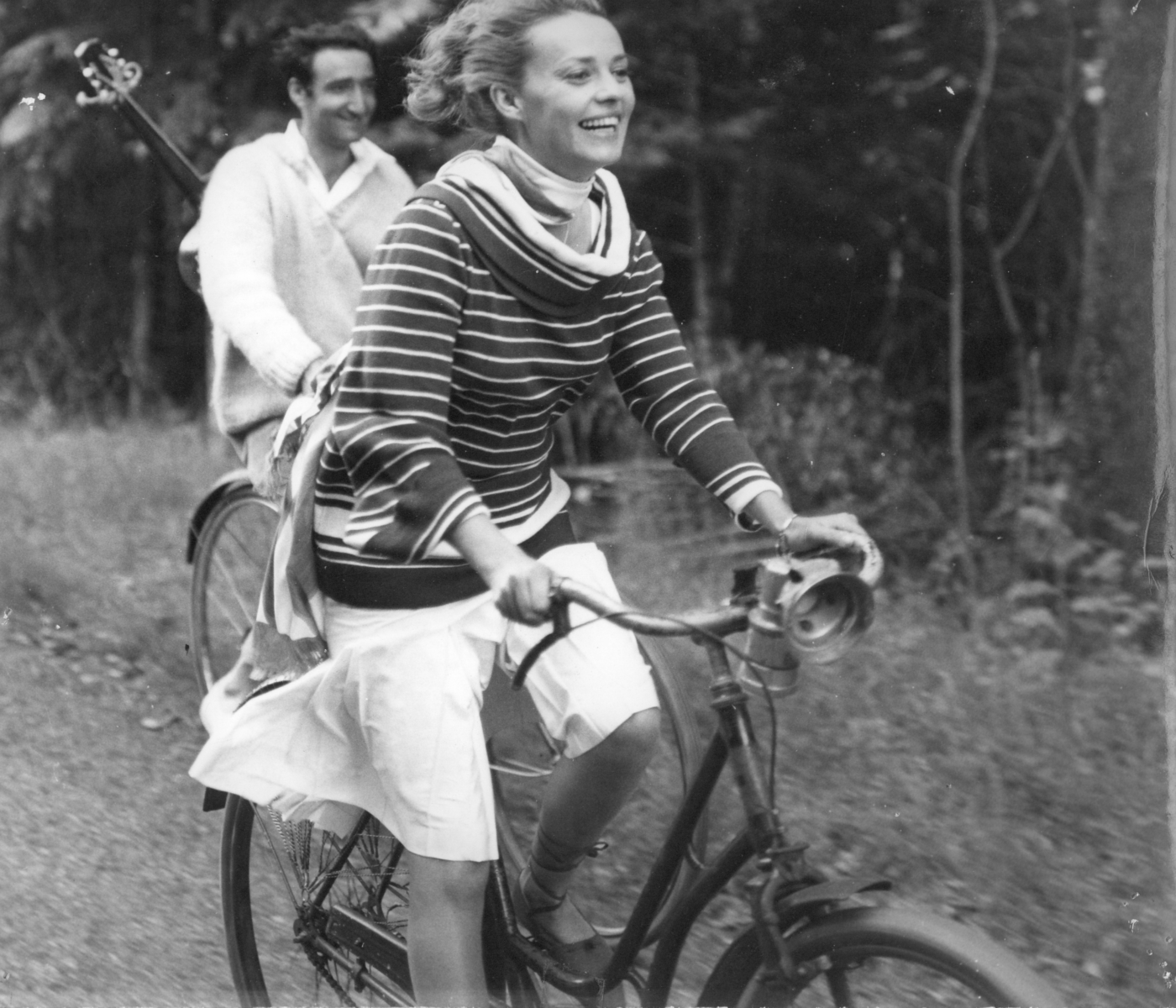
Jules et Jim ⁄ B&W ⁄ 106' ⁄ ST - OND: NL
François Truffaut, France 1962, Jeanne Moreau, Oskar Werner, Henri Serre
19:00
Free Anthology
The Pillow Book ⁄ 125' ⁄ ST - OND: FR - NL
Peter Greenaway, UK, France, Netherlands, Luxembourg 1996, Vivian Wu, Ewan McGregor, Yoshi Oida
21:30
Bordwell / Thompson
Je ne regrette rien de ma jeunesse ⁄ No Regrets for Our Youth ⁄ Waga seishun ni kuinashi ⁄ B&W ⁄ 109' ⁄ ST - OND: EN
Akira Kurosawa, Japan 1946, Setsuko Hara, Susumu Fujita, Denjirô Ôkôchi
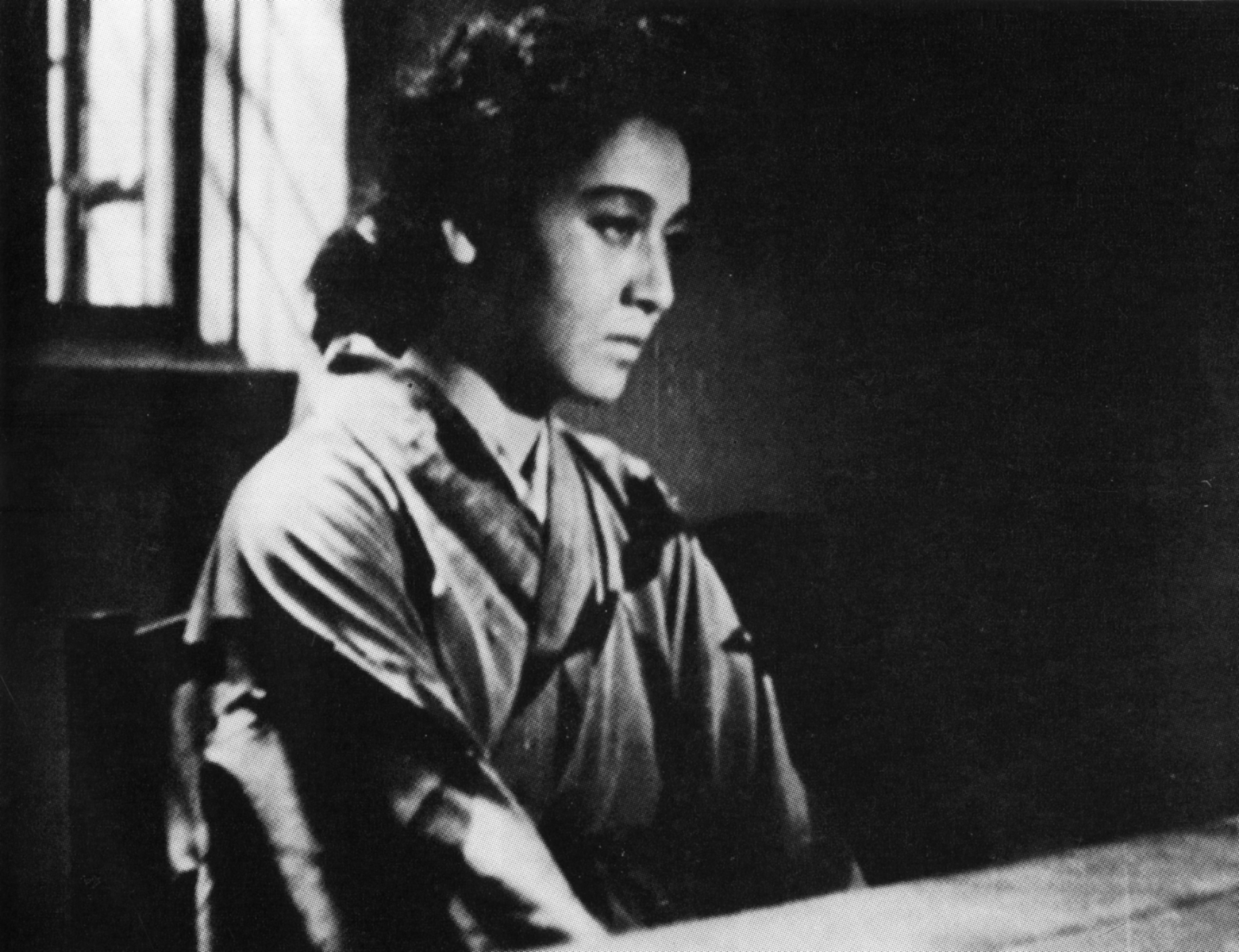
I had seen a considerable number of Kurosawa Akira’s films by the time I watched No Regrets for Our Youth, his first film made after World War II. It struck me as completely different from his other work. Taking a political subject set in the 1930s, it dealt with Yukie young woman whose father is fired from his professorship because of his anti-fascist views and whose husband is later accused of being a leftist spy and dies in prison. She visits her husband’s farming peasants, who reject her because she is associated with their disgraced son. She carries on helping on the farm despite their rejection of her. Setsuko Hara, usually associated today with the work of Ozu Yasujiro, gives a very different and excellent performance in this fascinating film. – Kristin Thompson
PLATEAU PLATEAU
Saturday 10.10
18:00
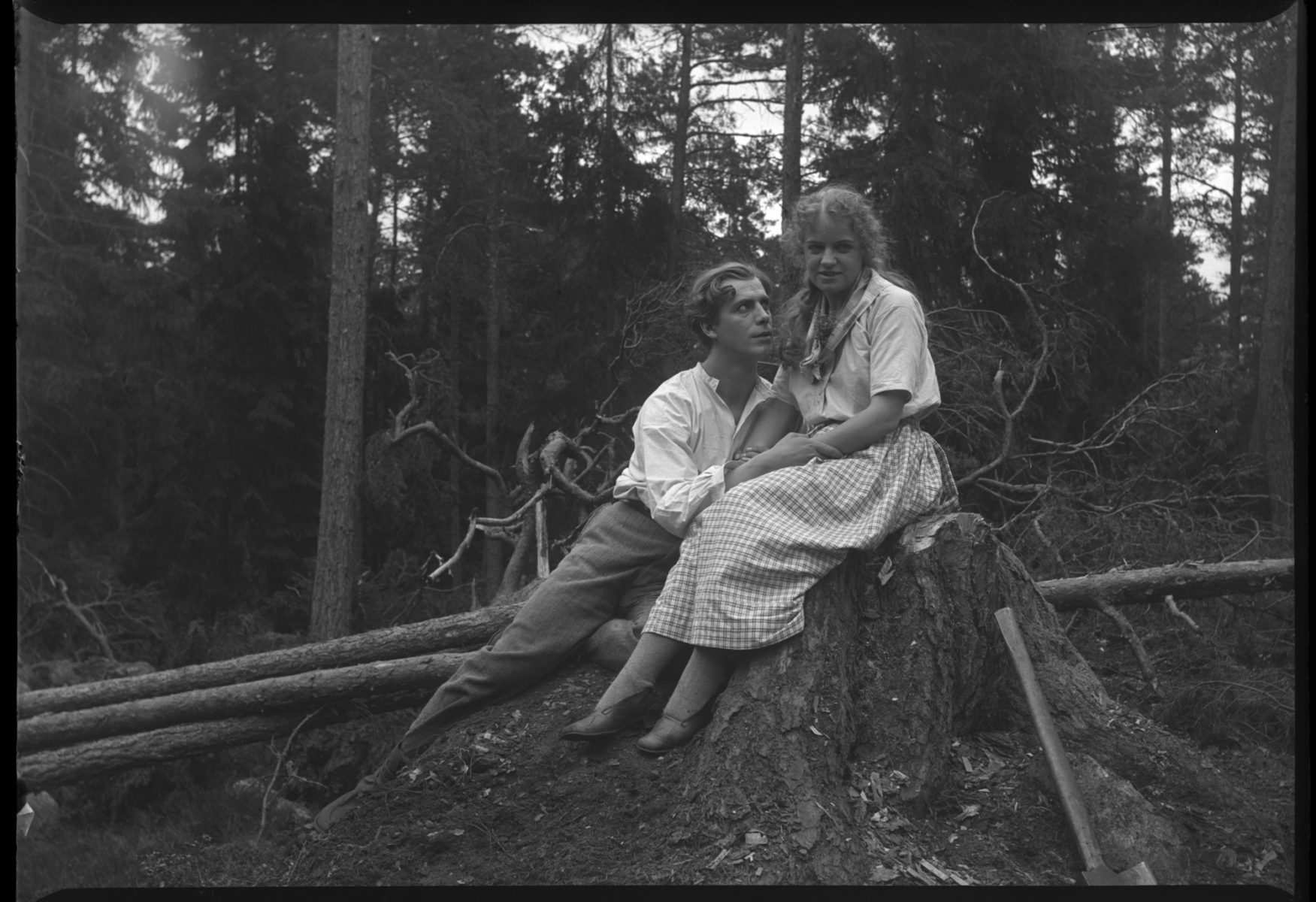
The Silent North
Le Chant de la fleur rouge ⁄ Het lied van de helrode bloem ⁄ Sången om den eldröda blomman ⁄ B&W ⁄ 88' ⁄ TIT: FR - NL ⁄ ST - OND: — ⁄ PIANO
Mauritz Stiller, Sweden 1918, Greta Almroth, Lars Hanson, Lillebil Ibsen
20:00
Free Anthology
Les courts des grands VI
Land Without Bread / Las Hurdes: Tierra sin pan ⁄ B&W ⁄ 29' ⁄ ST - OND: EN
Luis Buñuel, Spain 1933
Un chien andalou ⁄ 16' ⁄ TIT: FR ⁄ ST - OND: —
Luis Buñuel, France 1929
Cineflagey Cineflagey
FLAGEY, Place Sainte-Croix, 1050 Bruxelles 02 641 10 20
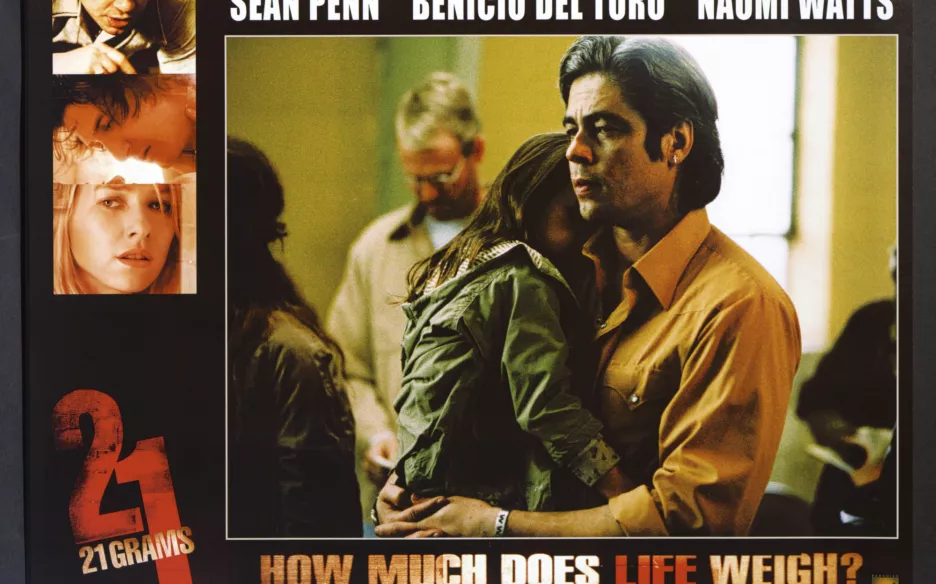
Cyclus Alejandro González Iñárritu
01.10 > 01.11
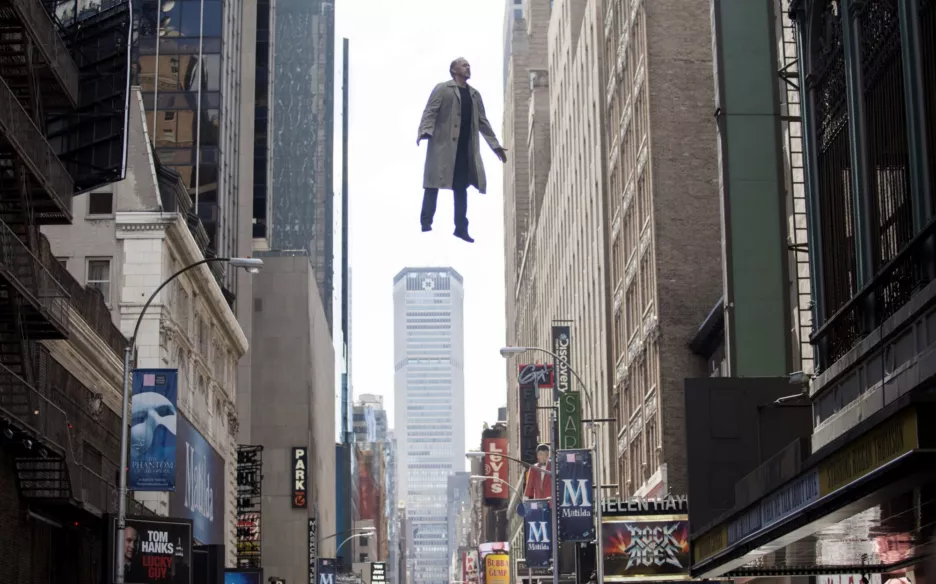
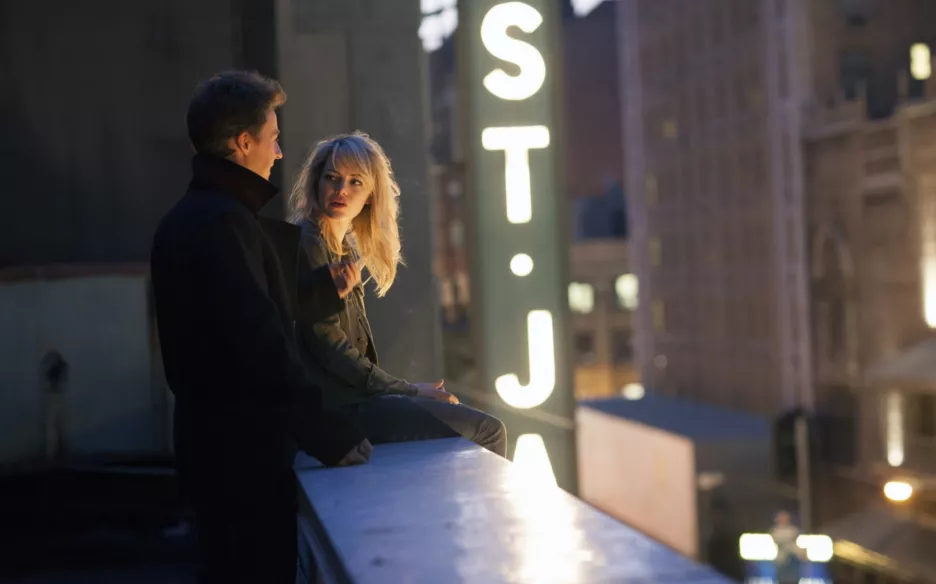
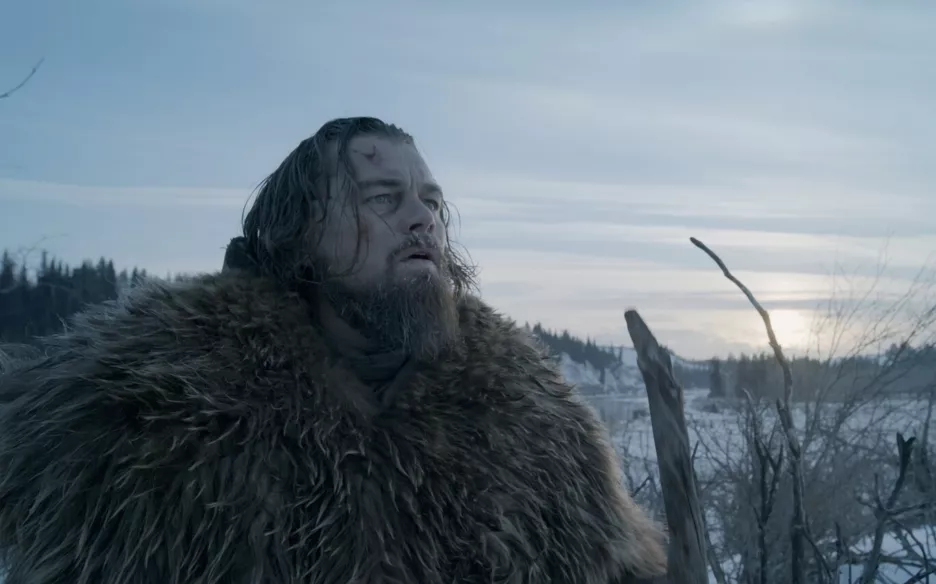
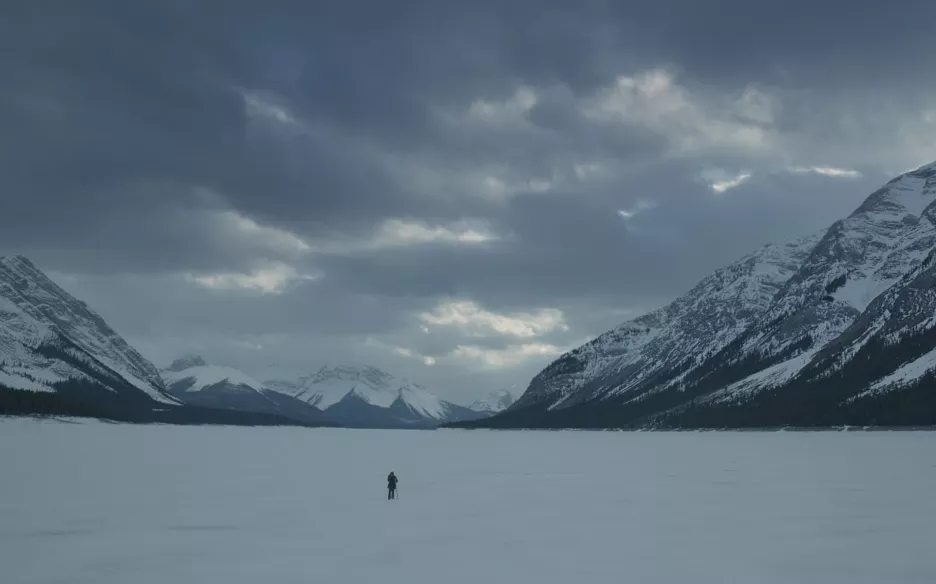
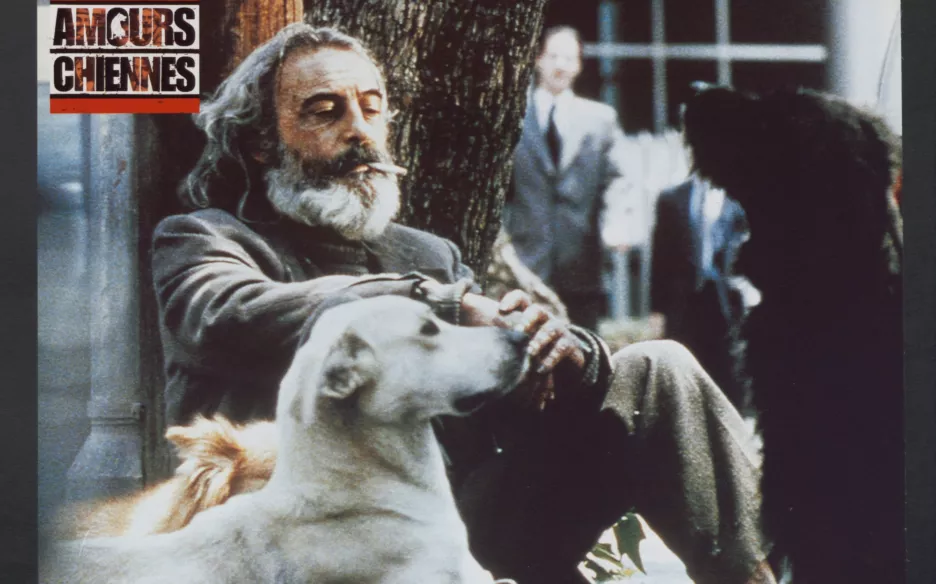
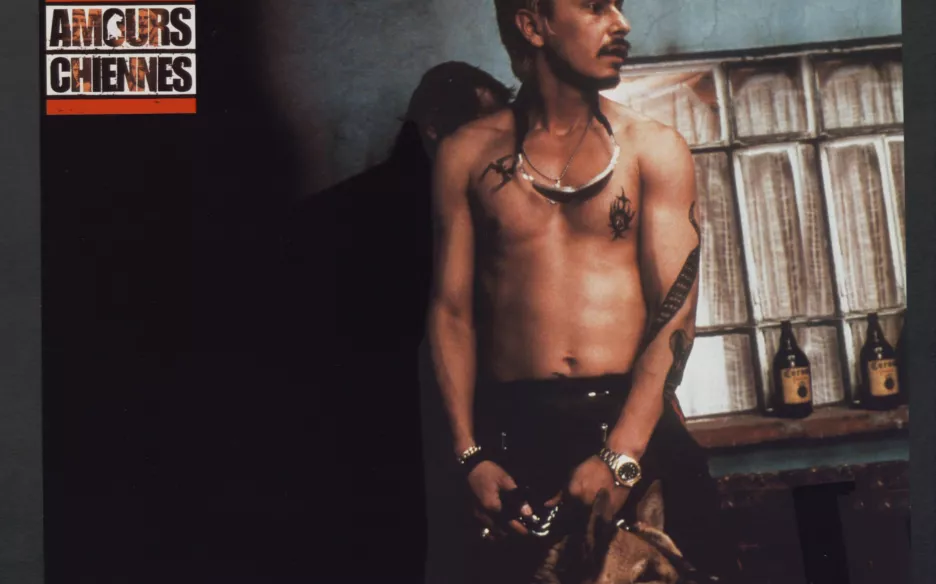
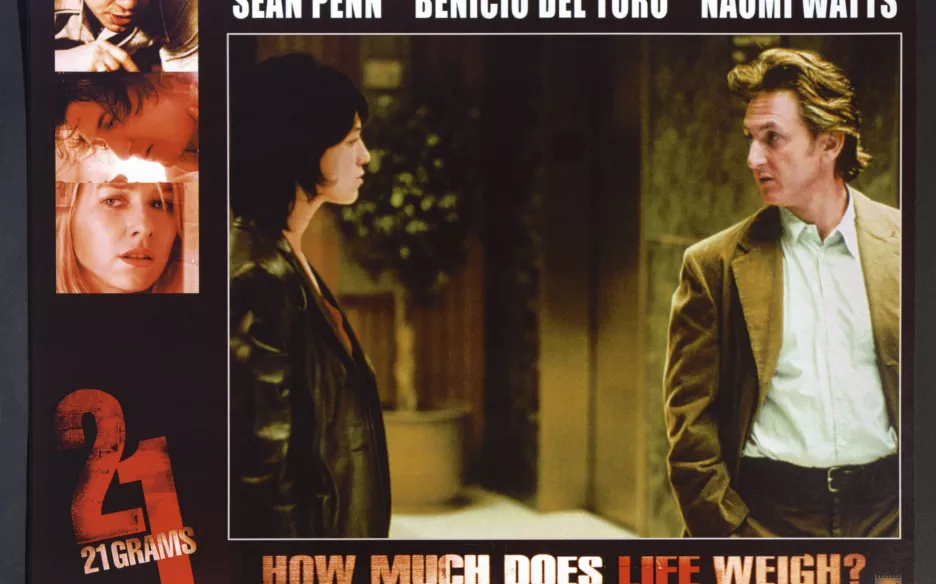
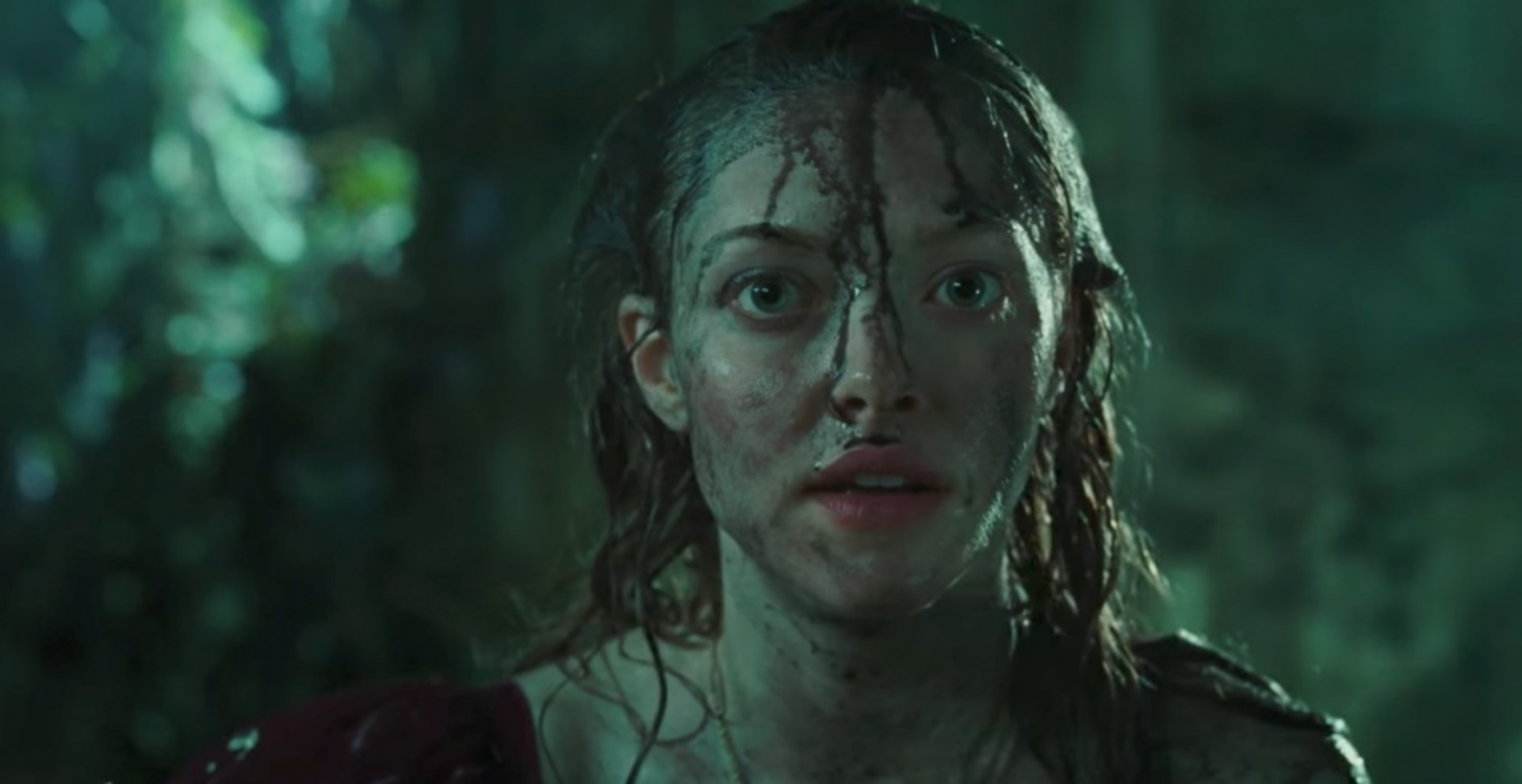
To accompany the release of his new film Digger (2026), Cineflagey presents four earlier films by Alejandro González Iñárritu: his debut feature, Amores Perros (2000), and his first American film, 21 Grams (2003)—both based on a screenplay by Guillermo Arriaga—as well as his two Oscar-winning films, Birdman (2014) and The Revenant (2015)
Programme
SEPTEMBER + OKTOBER + NOVEMBER
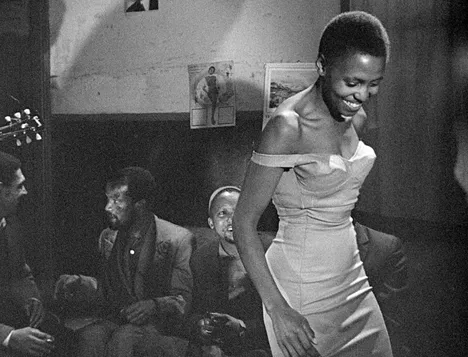
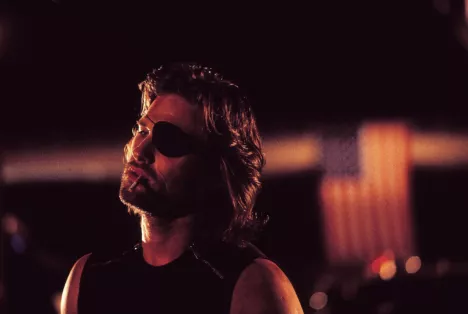
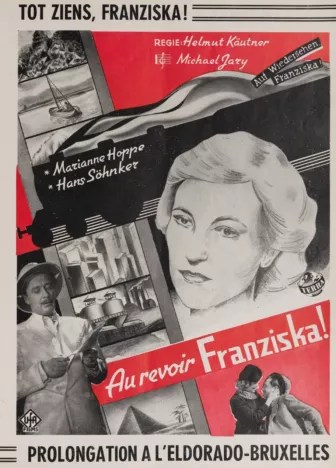
Throughout the year, journey through the history of silent cinema, from its origins to the rise of sound. Every screening is brought to life with live piano accompaniment.
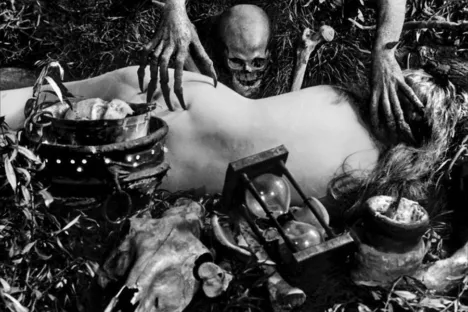
The film archive is bursting with films that rarely make it into programming for various reasons. Not every film, no matter how deserving, is considered a “classic” or easily fit into a specific theme. That’s why, alongside our thematic cycles, we also select a somewhat random assortment of films to be presented without additional commentary or context under the label FREE ANTHOLOGY.
CLASSICS is a collection of milestones and masterpieces featuring iconic figures both in front of and behind the camera. These are touchstones in cinema. While one might debate their specific qualities, there’s no arguing that they have become integral to our cultural heritage. As a collection, they do more than serve as examples or set standards—they facilitate a broader dialogue about cinema.
THE SILVER SCREEN series revisits popular cinema from the 1930s to the 1980s. Classics from around the world, bringing back those unforgettable scenes where actors and actresses of the time lit up the screen. Cinema as it should always be experienced: sound and image projected on film and shown on the big screen, in a comfortable theater. And – if the film’s length allows – with a carefully selected pre-show: a trailer, a cartoon, a newsreel, or a documentary, recreating the movie-going experience of the past.
I’ve never been very good at maths, but even I know that films consist of 24 frames per second. In the Ledoux Theatre, I saw projectionists firing them off at a rate of up to 1,440 per minute. Frames measuring barely 2.2 by 1.6 cm; projected from a 35mm-wide film strip. And all of that onto a screen measuring around 7 by 4 metres. Films with an average length of between 129,600 and 172,800 frames, lasting 90 to 120 minutes – or 3 kilometres in length. Sometimes a bit bigger, sometimes a bit smaller. Longer, but also shorter. Oh, brave projectionists and verifiers who, frame by frame, are making their way through a collection of no fewer than 90,738 film titles for us! An average of 272,214 kilometres, not including toilet breaks. In other words, 6.79 times the circumference of the Earth to show us everything. And then I wonder: is that what we mean when we say that film means the world to us?
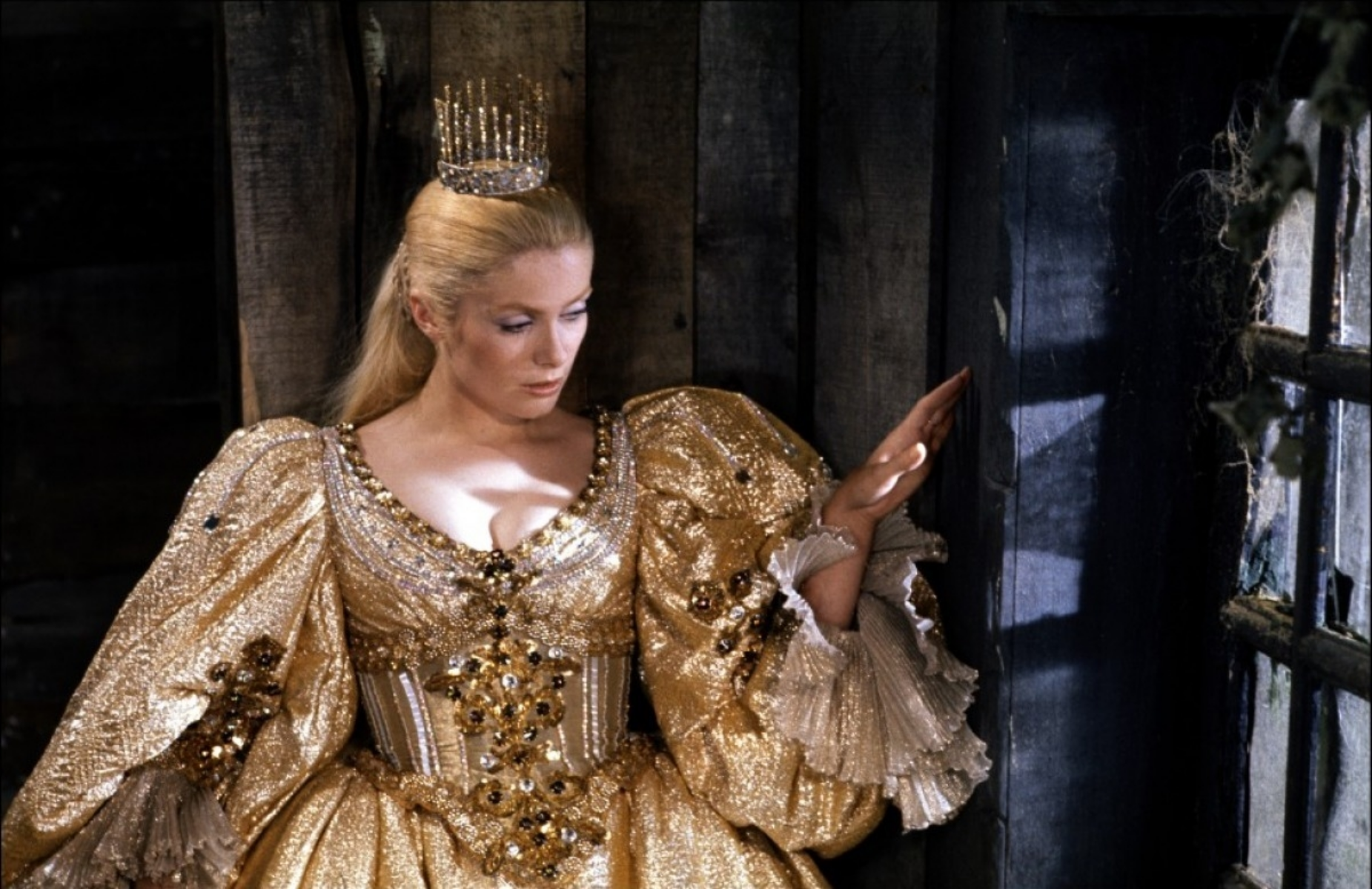
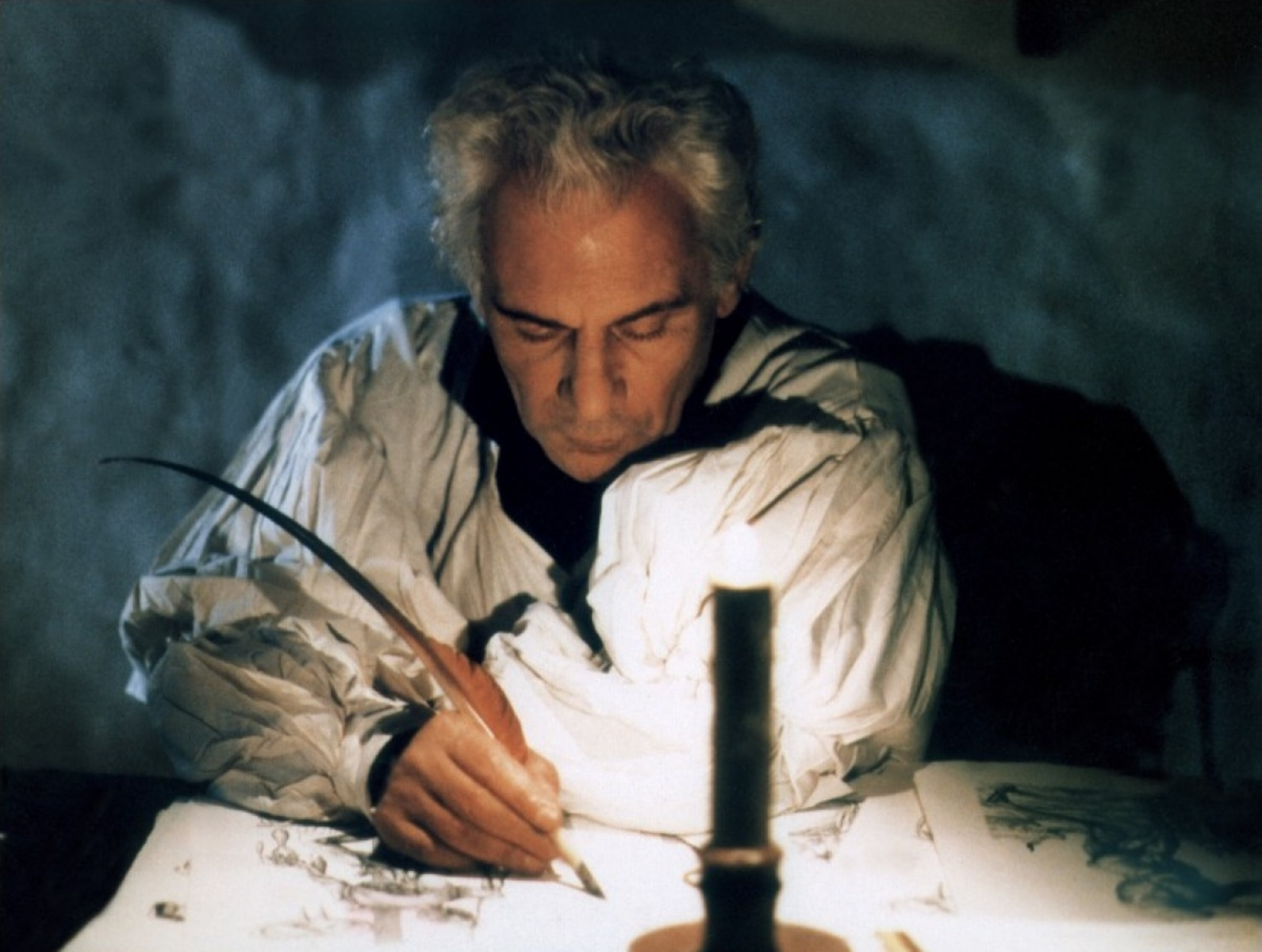
From classic works to super-experimental creations, from main-stream entertainment to the most militant stories: Our Story invites you to explore the rich history of LGBTQIA+ cinema and question the complex links between the queer community and film, as film is both a space for emancipation and an instrument of discrimination. Our Story’s programmes, which also accommodate guest appearances and short contextualisations, are aimed at both the general public and audience members who want to reappropriate their film memory.
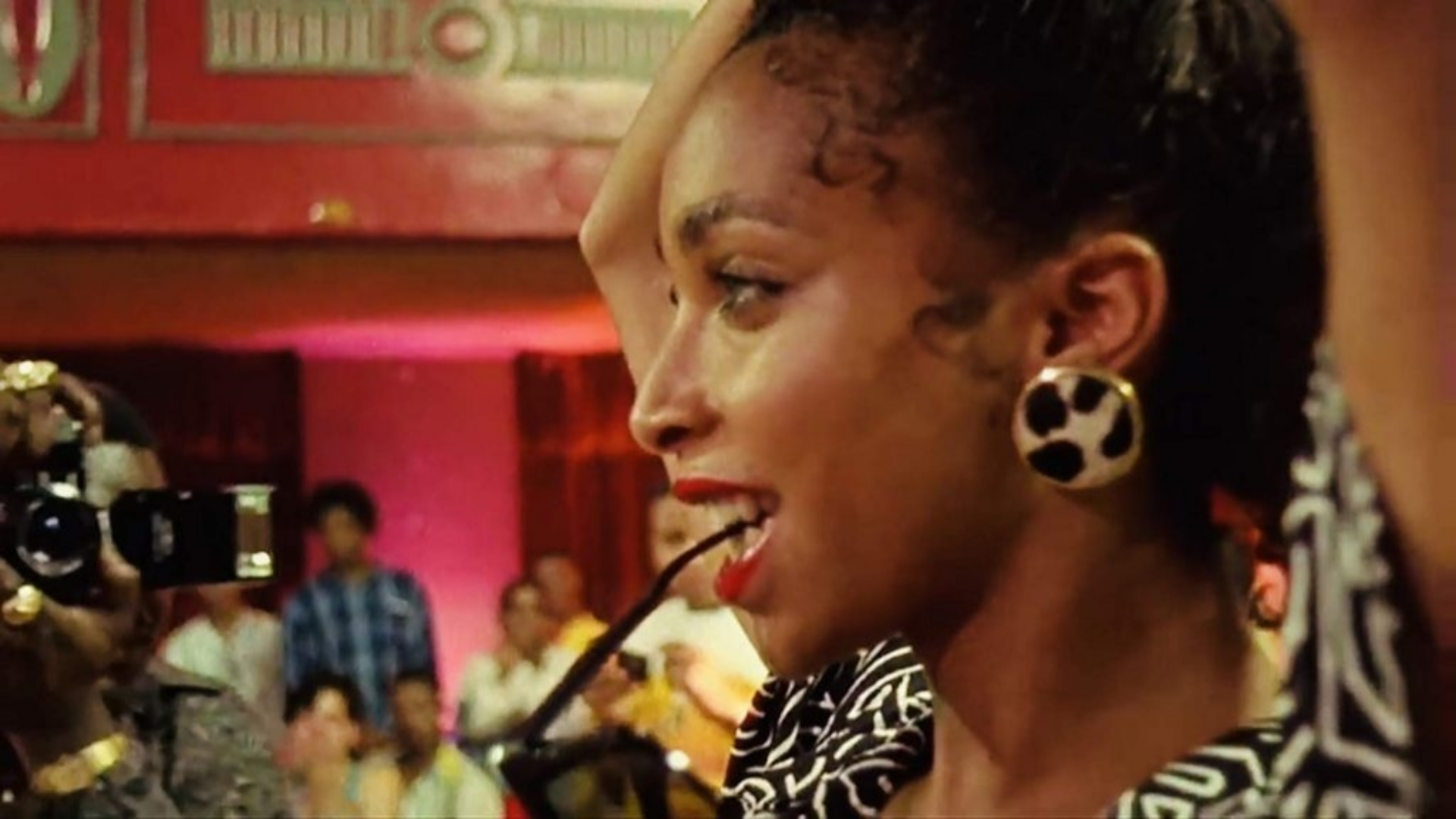
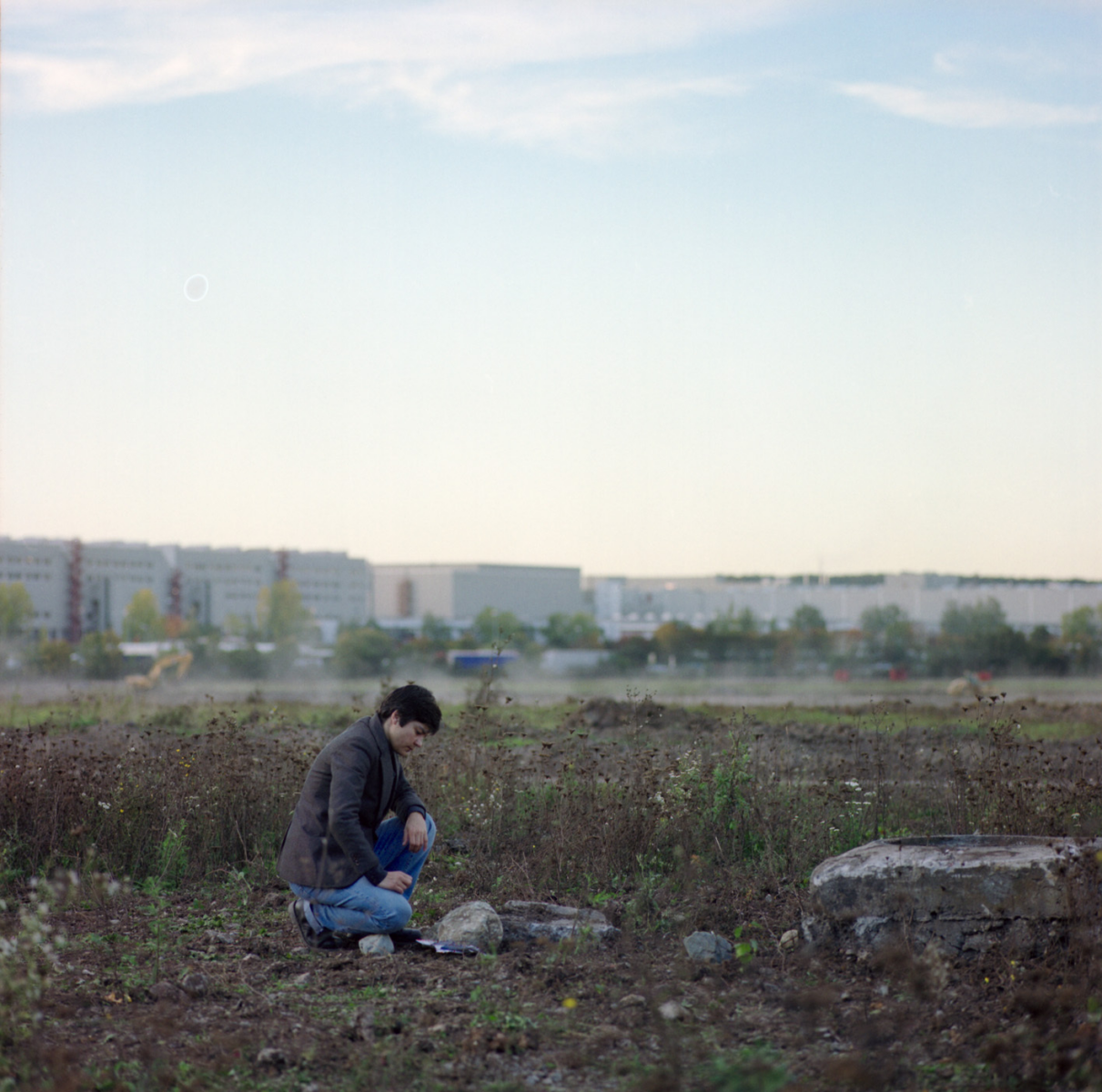
17.10
RENDEZ-VOUS
Our Story: Festival Massimadi · Brussels
The Politisation of Black LGBTQIA+ Issues
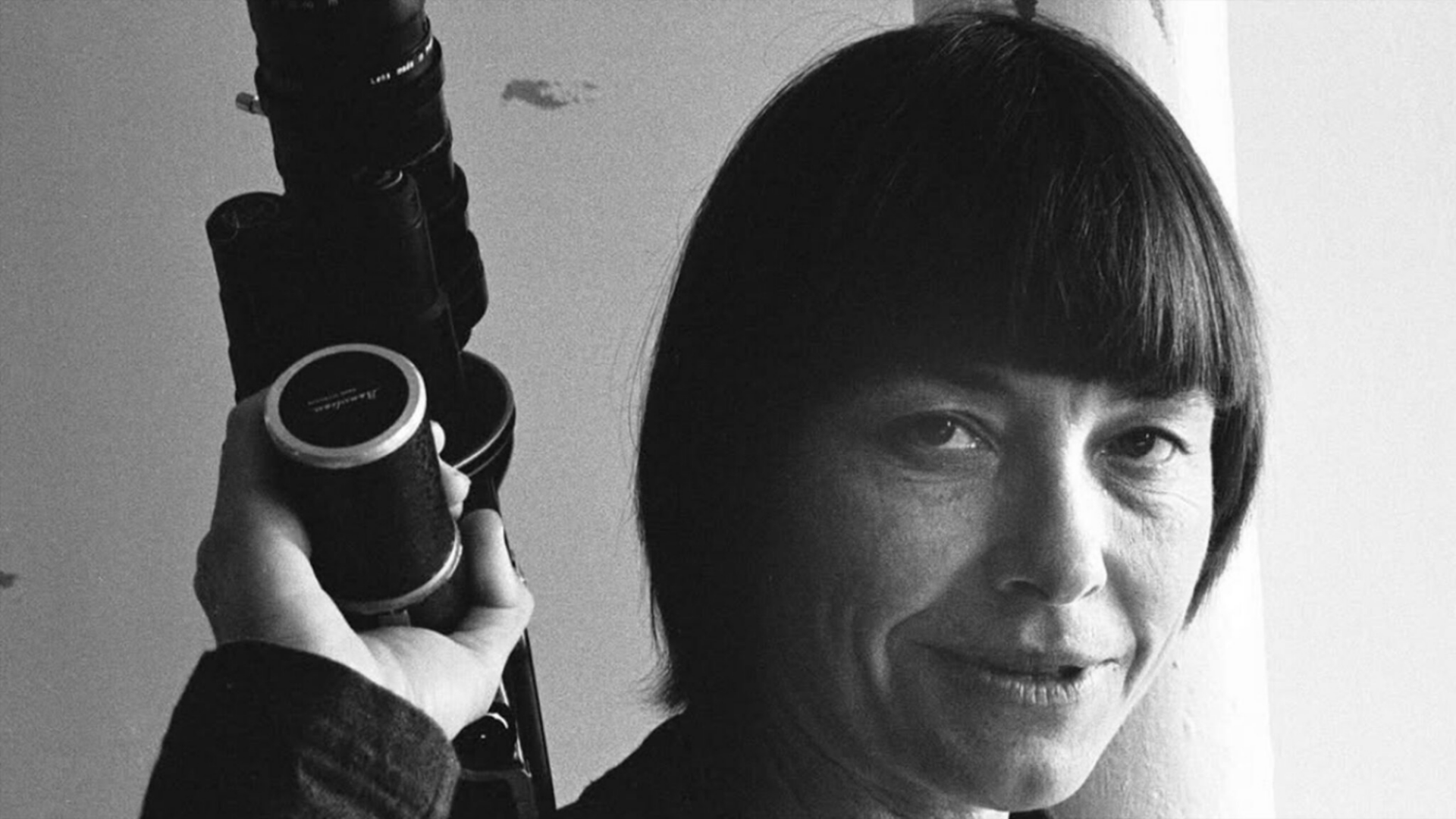
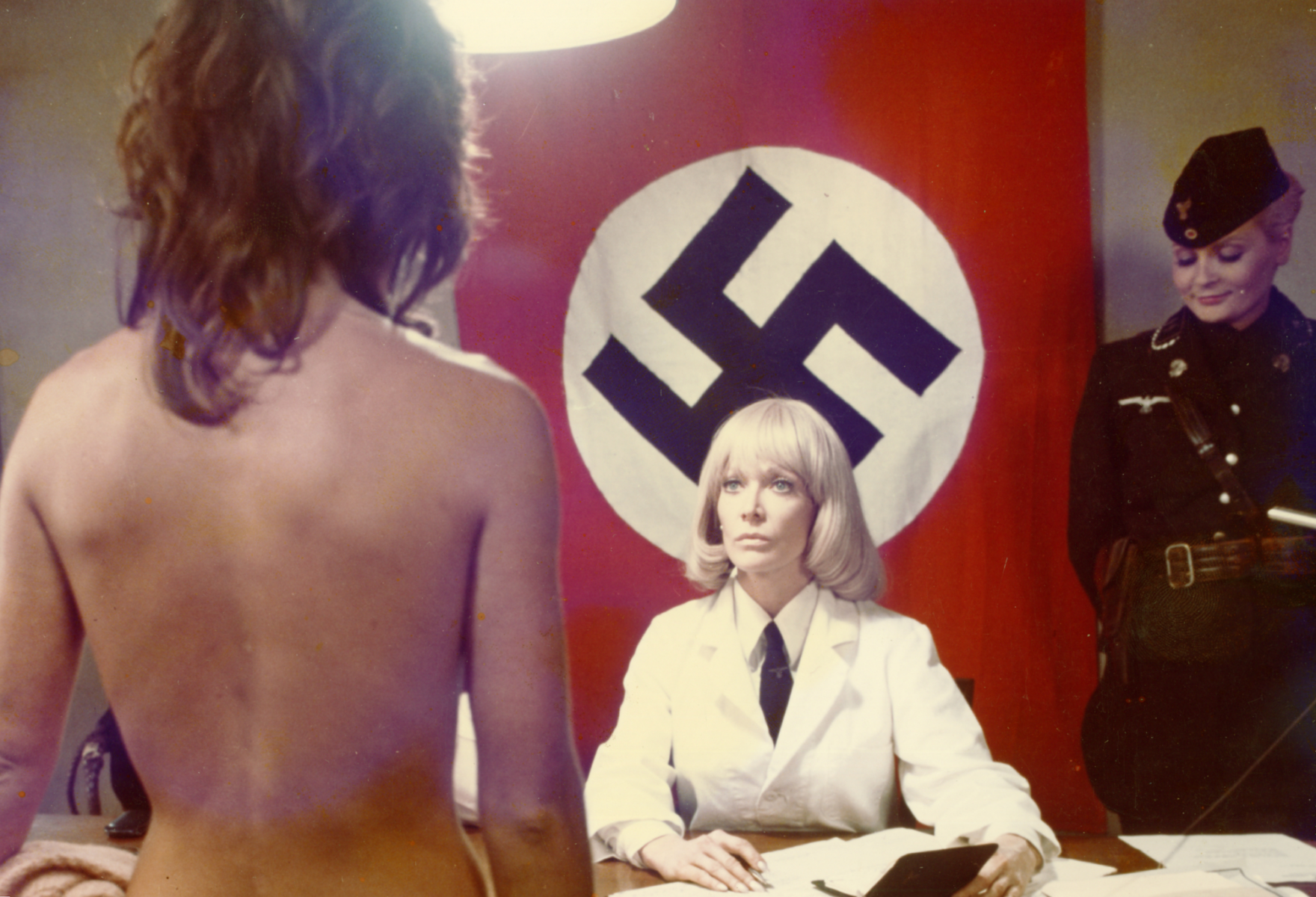
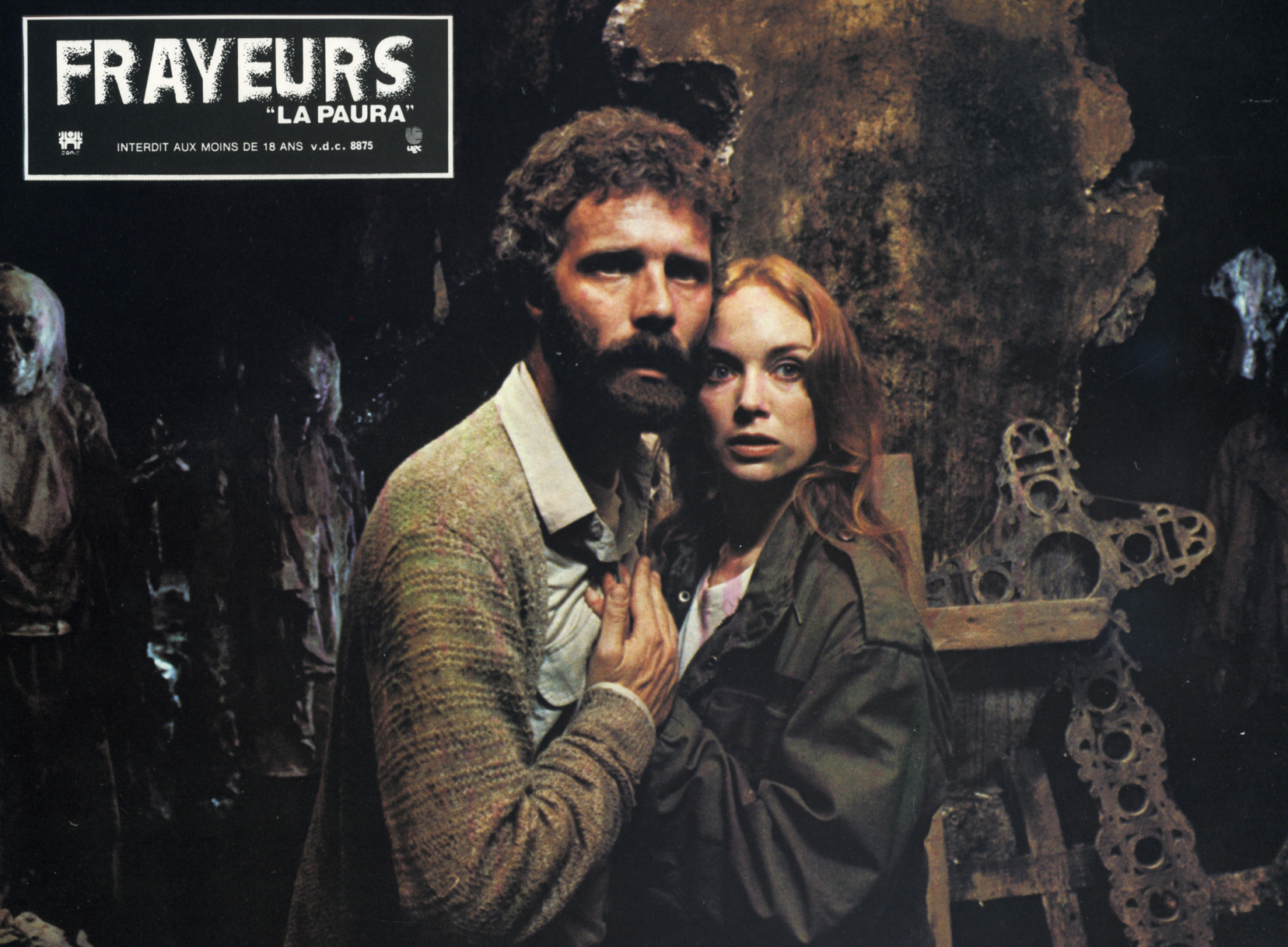
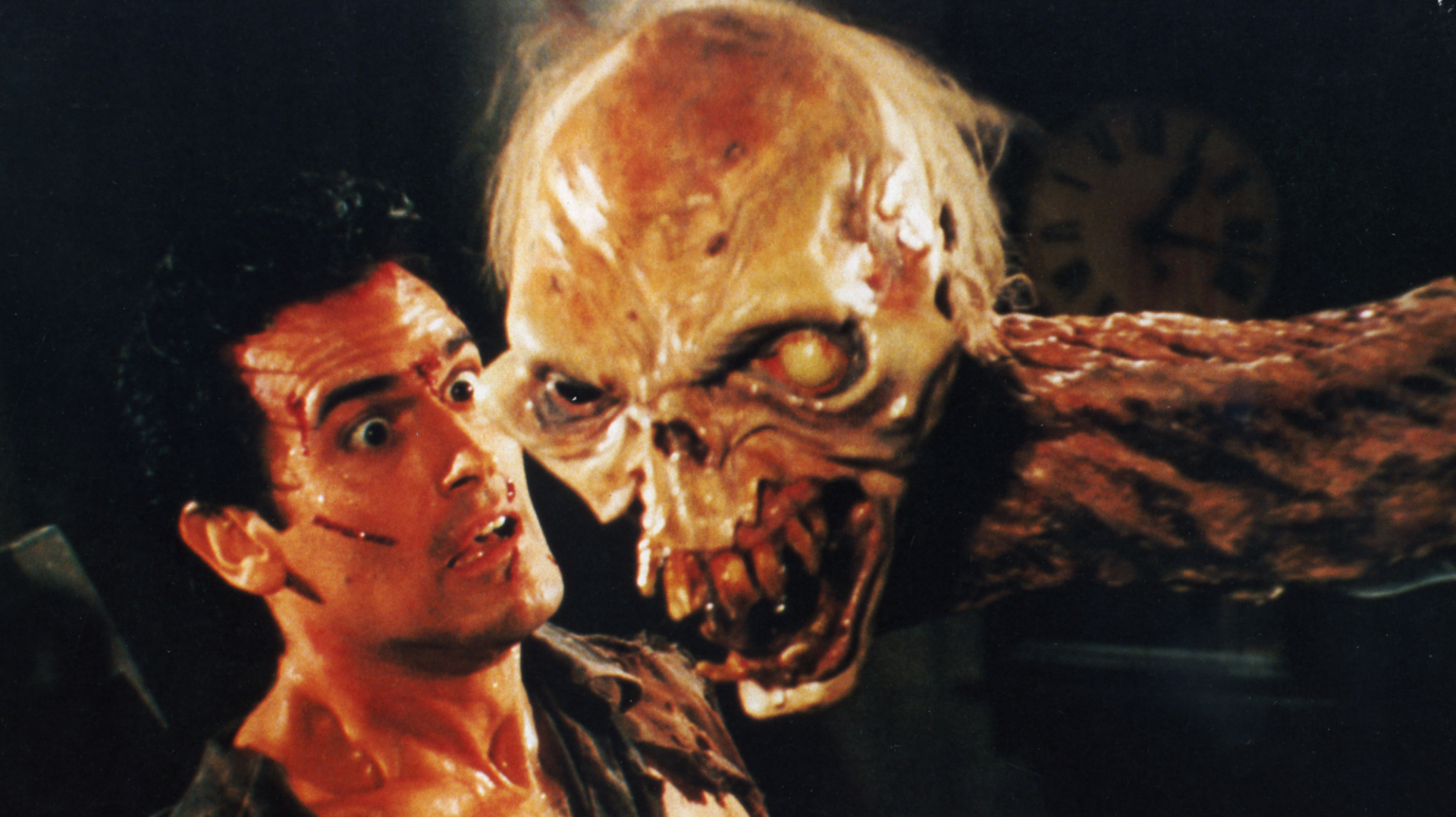
From the darkest corners of CINEMATEK's collection, we've unearthed a selection just for you: hilarious B-movies, spine-chilling thrillers, gripping cop dramas, giallo, slashers, blaxploitation, and other films with a unique edge. This is a must-see slice of alternative film history. Every last Friday of the month, catch a double bill: two thematically or otherwise linked films for the price of one ticket.
Since 1938, CINEMATEK has preserved one of the largest and most eclectic film archives in the world—a collection that brings together artistic masterpieces, popular entertainment, and films of significant scientific, historical, and social importance. In 2012, to ensure the long-term safeguarding of this collection and to enhance its accessibility, CINEMATEK established DIGILAB, specializing in digitization and restoration while adapting to the global transition from analog to digital. Since its inception, CINEMATEK has scanned and digitally preserved fragile elements, restoring them to their original brilliance and passing this collective memory on to future generations. With the launch of this new RESTORED series, we invite you to experience firsthand the meticulous restoration work performed by our colleagues, both at home and abroad.
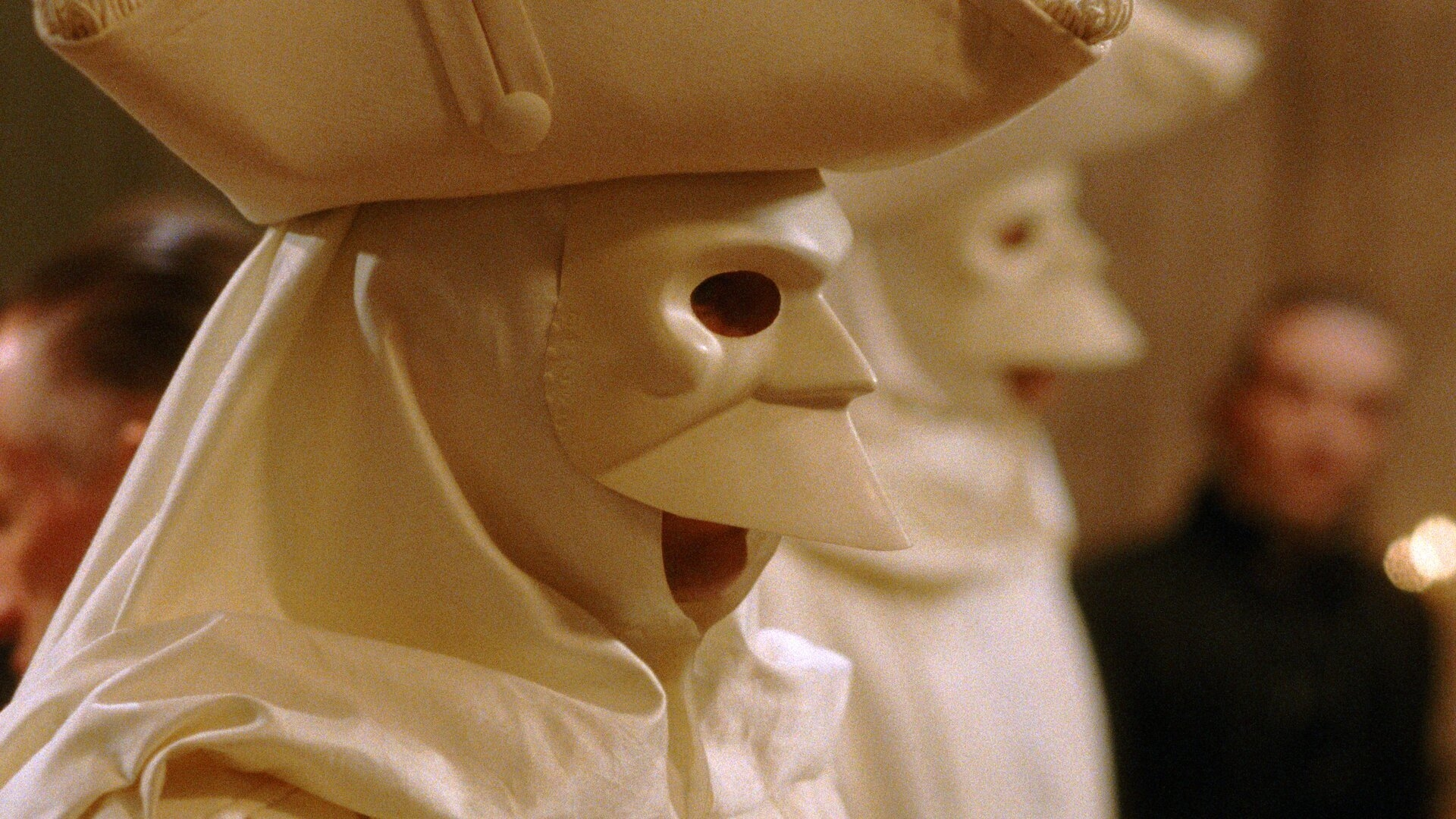
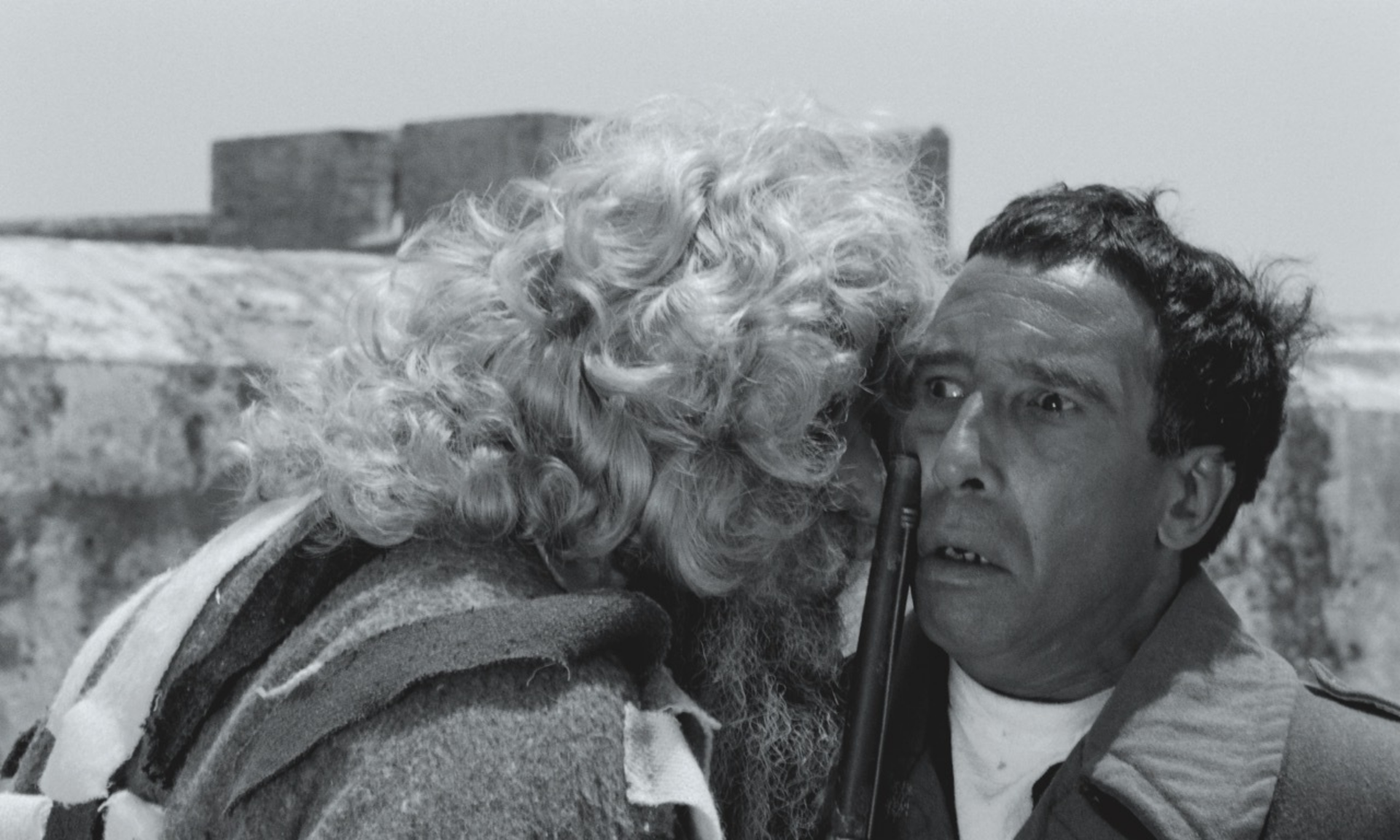
19.10 > 21.10
FESTIVAL
Traces et horizons (Landeta, Amaral & Bemberg)
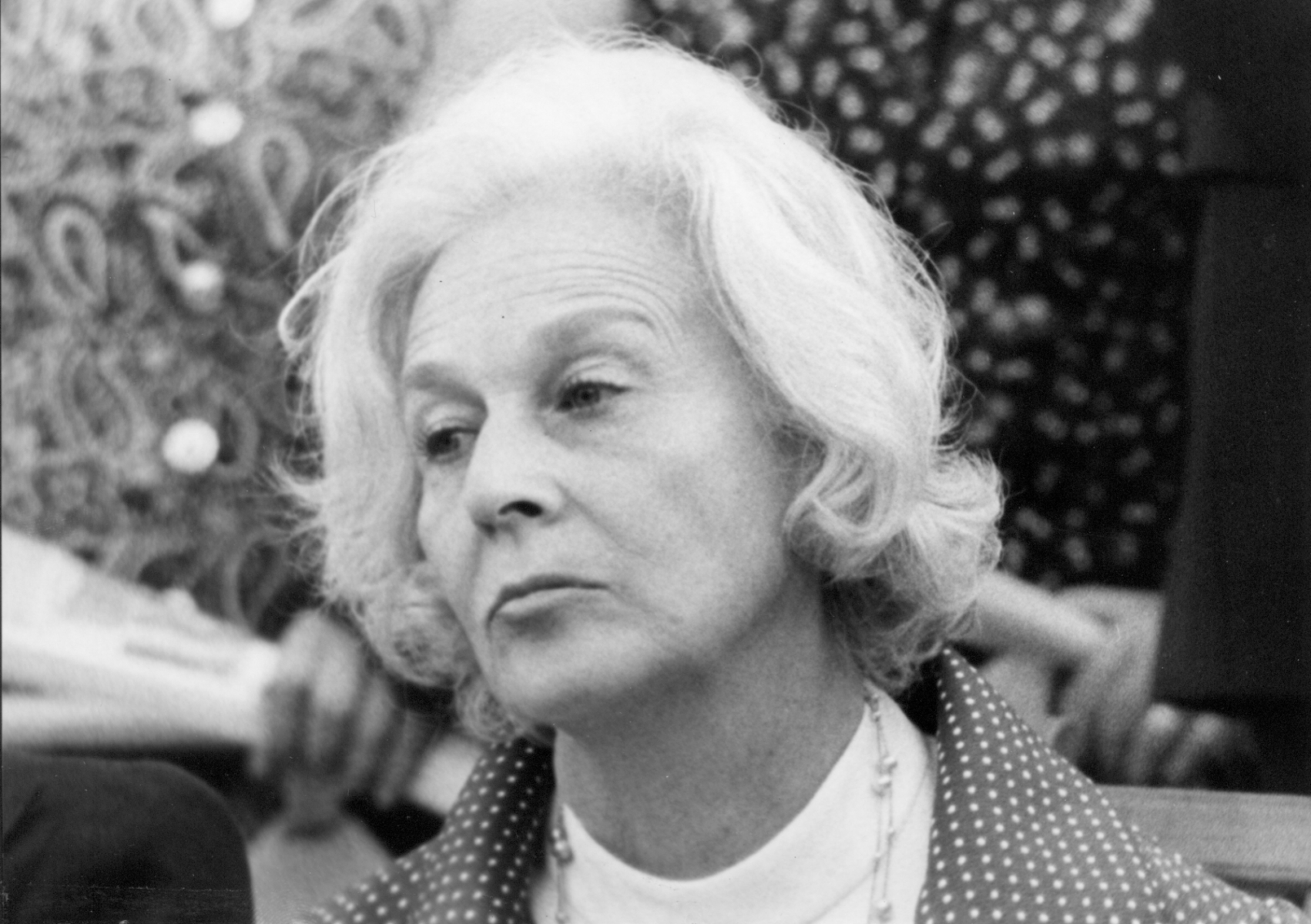
Brussels International Women's Film Festival 2026
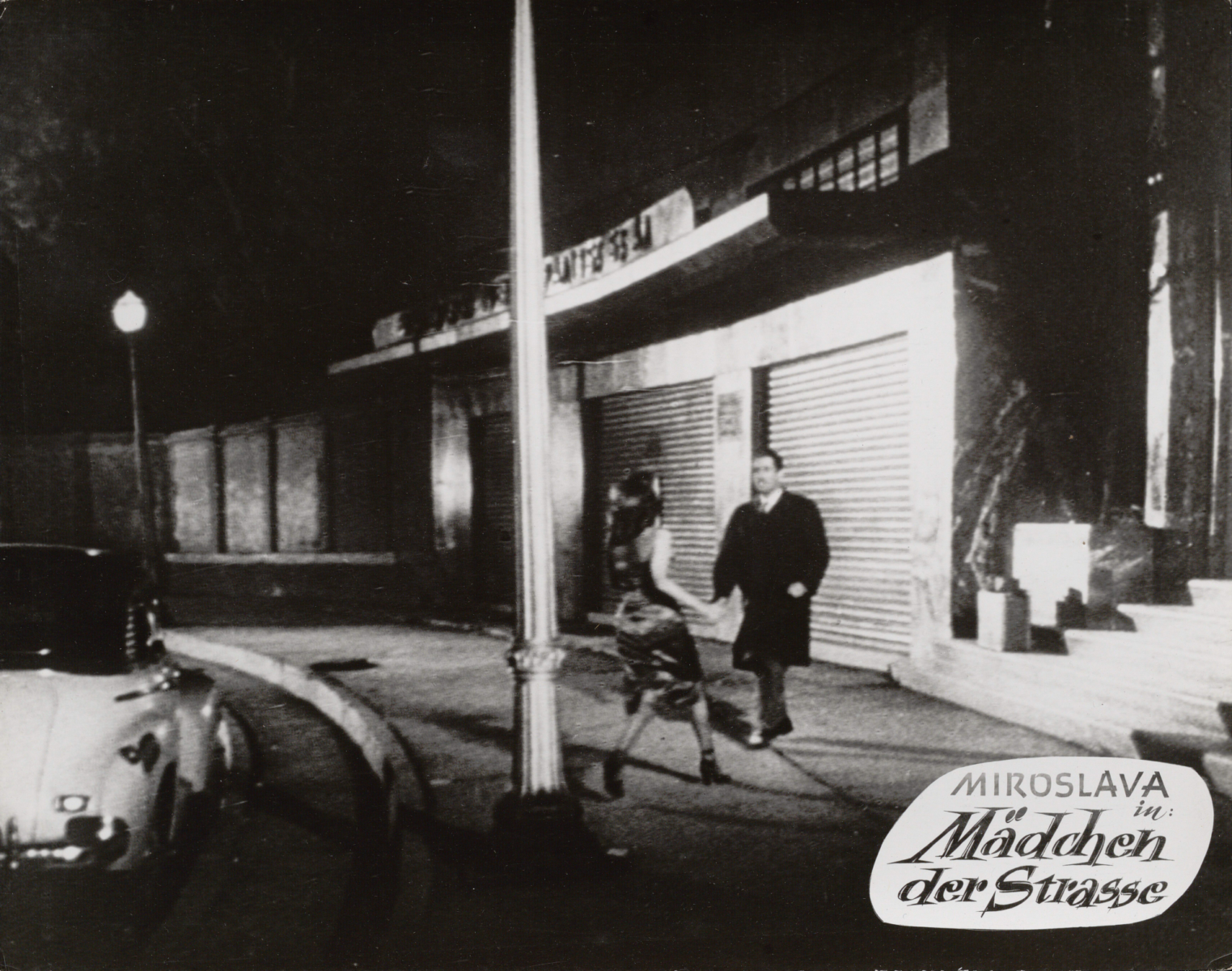
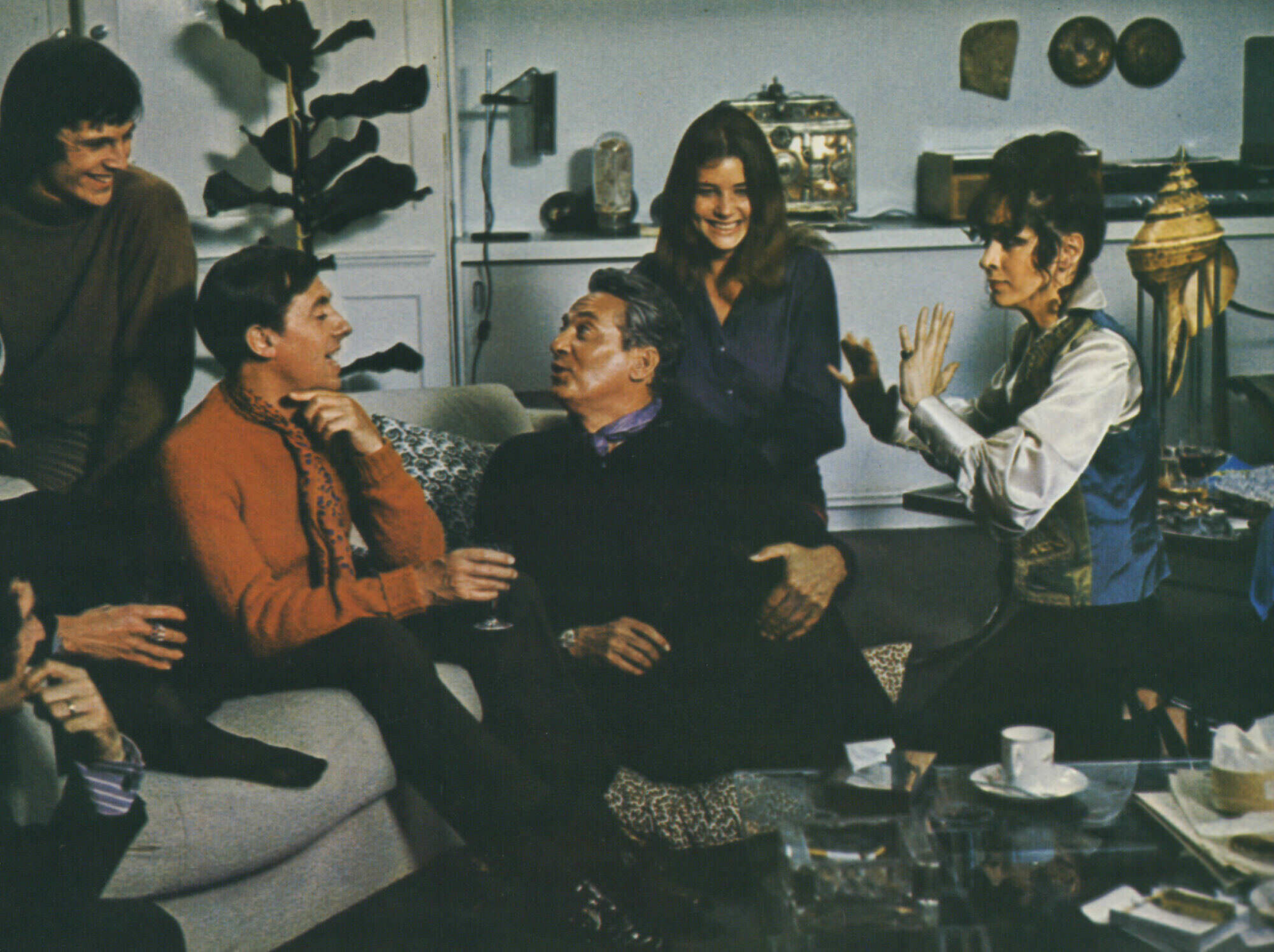
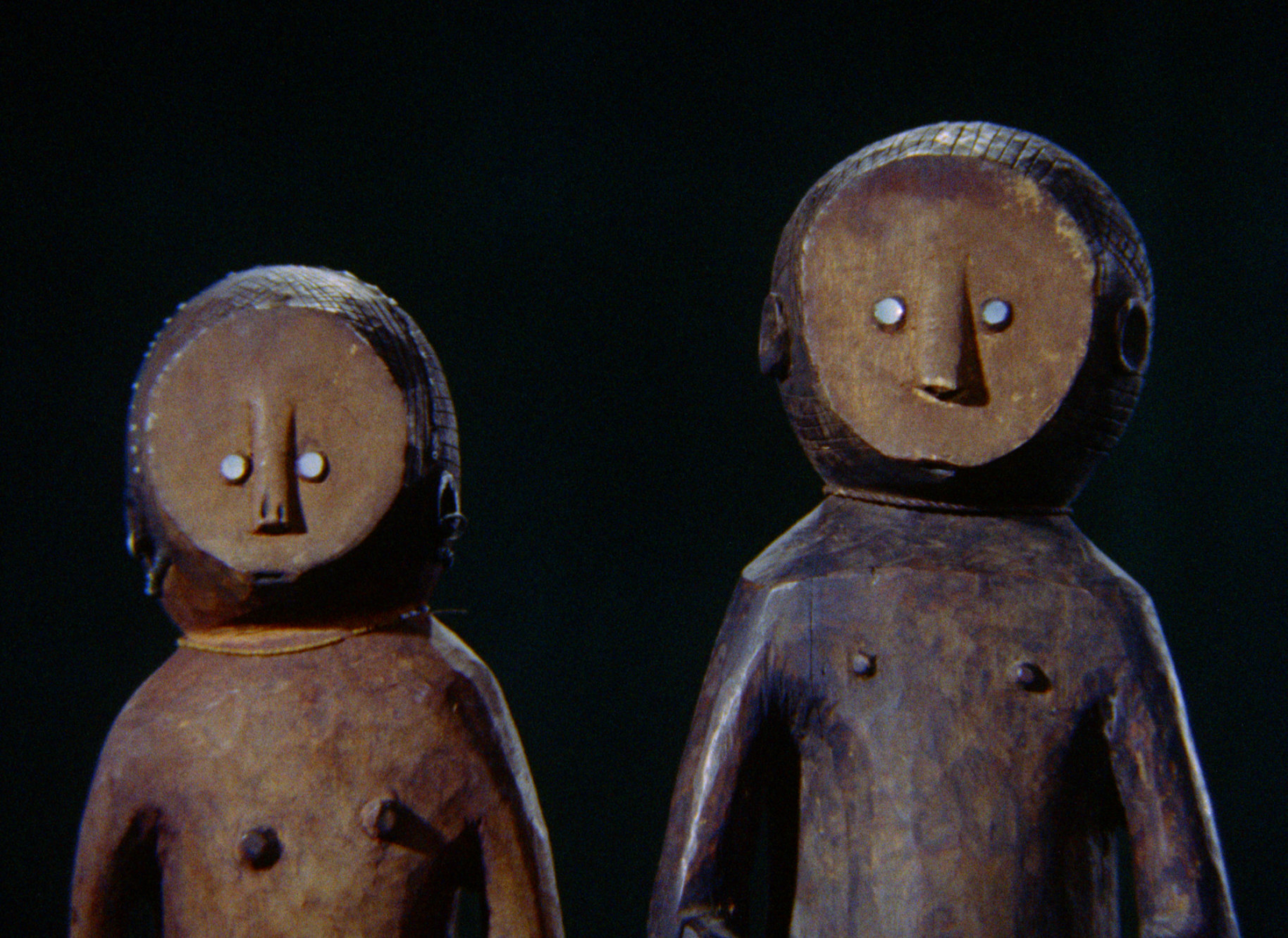
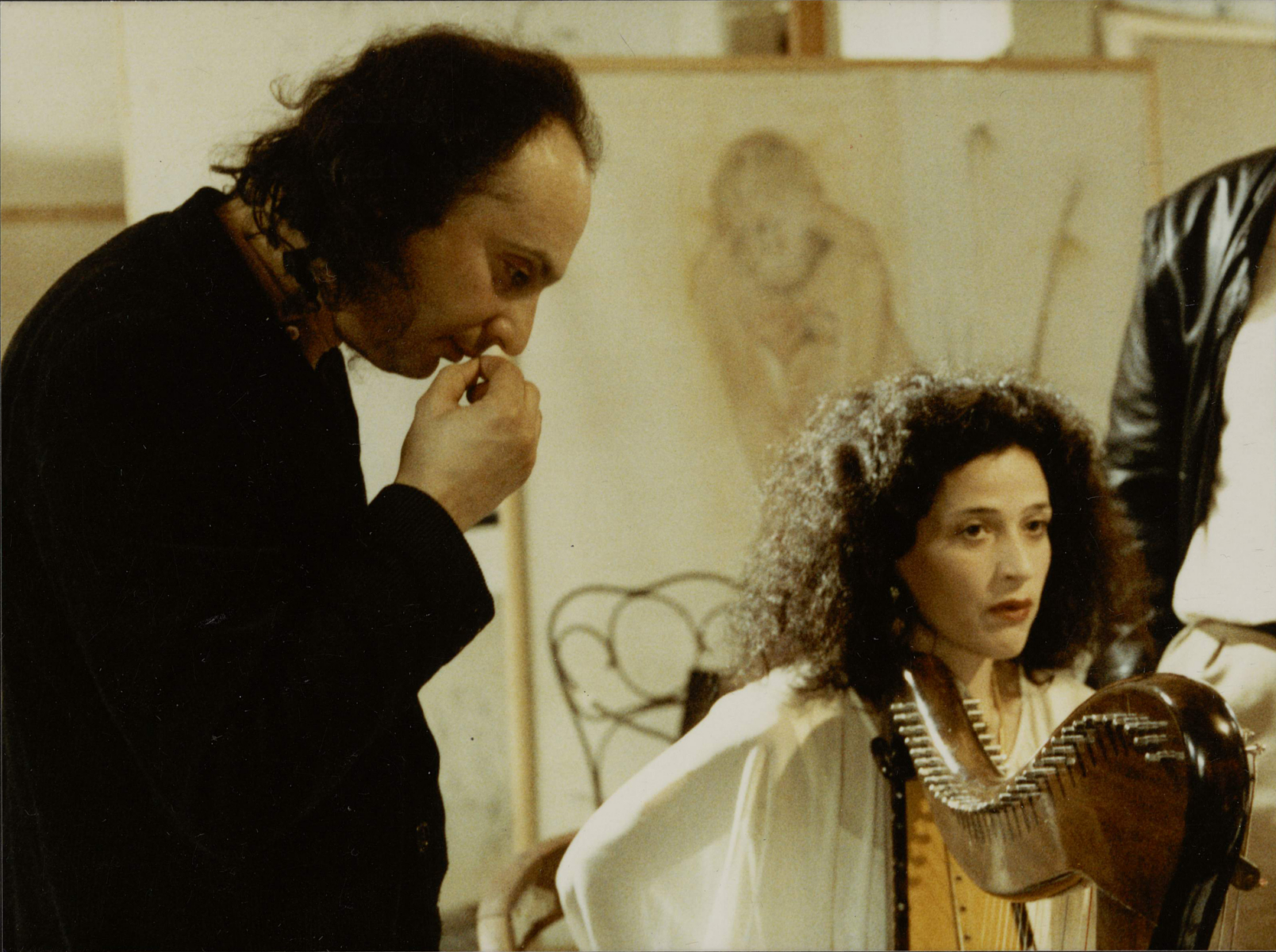
From 11 to 15 November, CINEMATEK will once again host the BAFF – Brussels Art Film Festival. A selection of short and feature-length documentaries exploring a wide range of artistic practices: dance, painting, music, literature, architecture…During the festival, several recent films with ties to Belgium will compete.
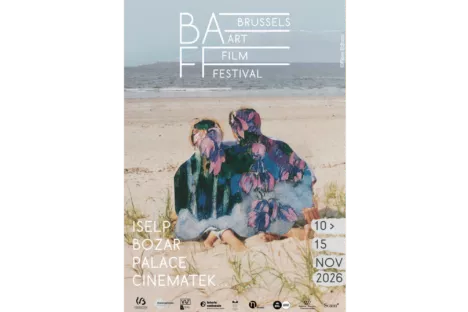
International feature films at BAFF – Brussels Art Film Festival 2026.
Lectures, introductions, workshops... All year round, CINEMATEK helps you discover the 7th art by calling on film-makers or specialists to come and share their knowledge and passion for cinema in our cinemas.
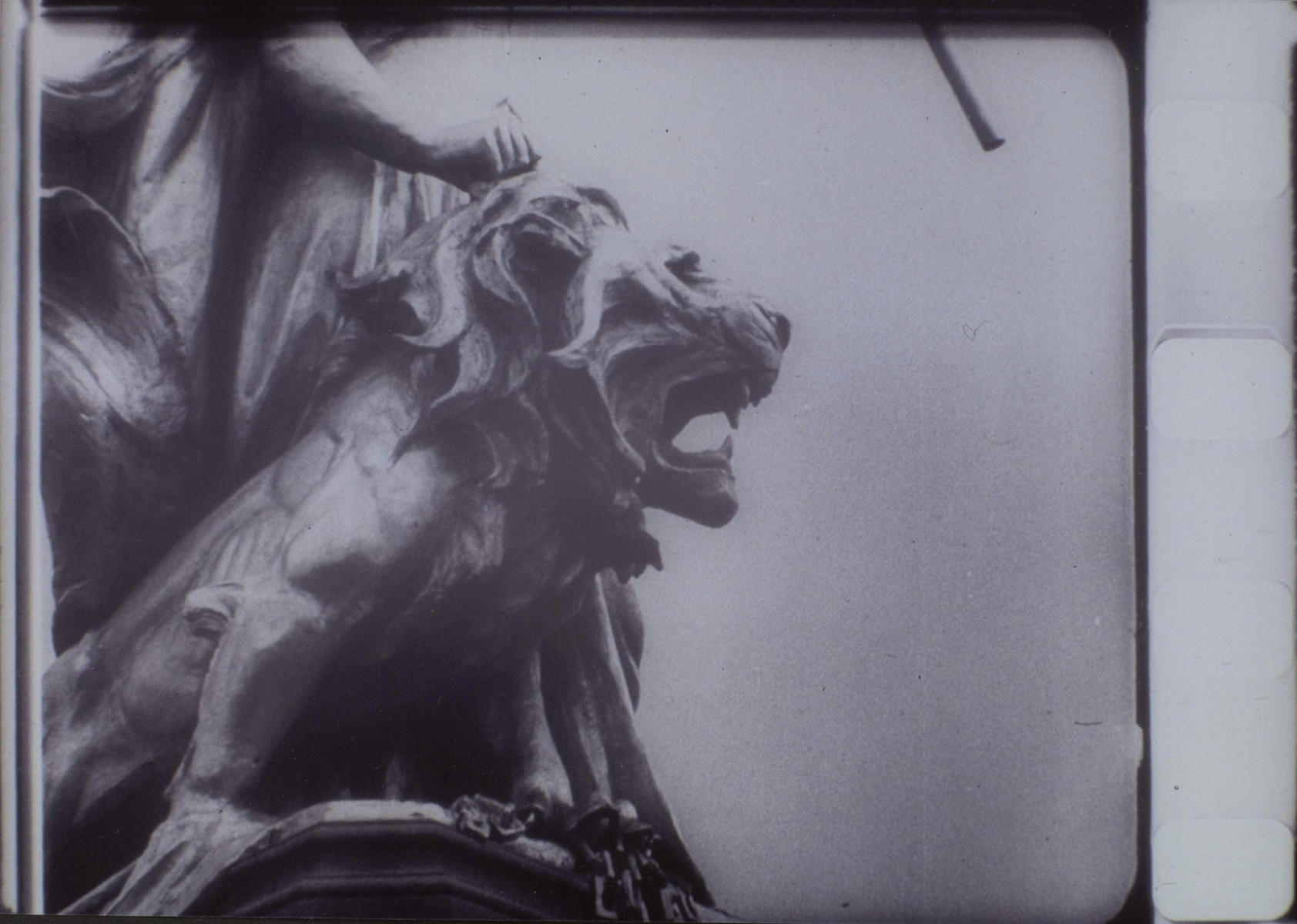
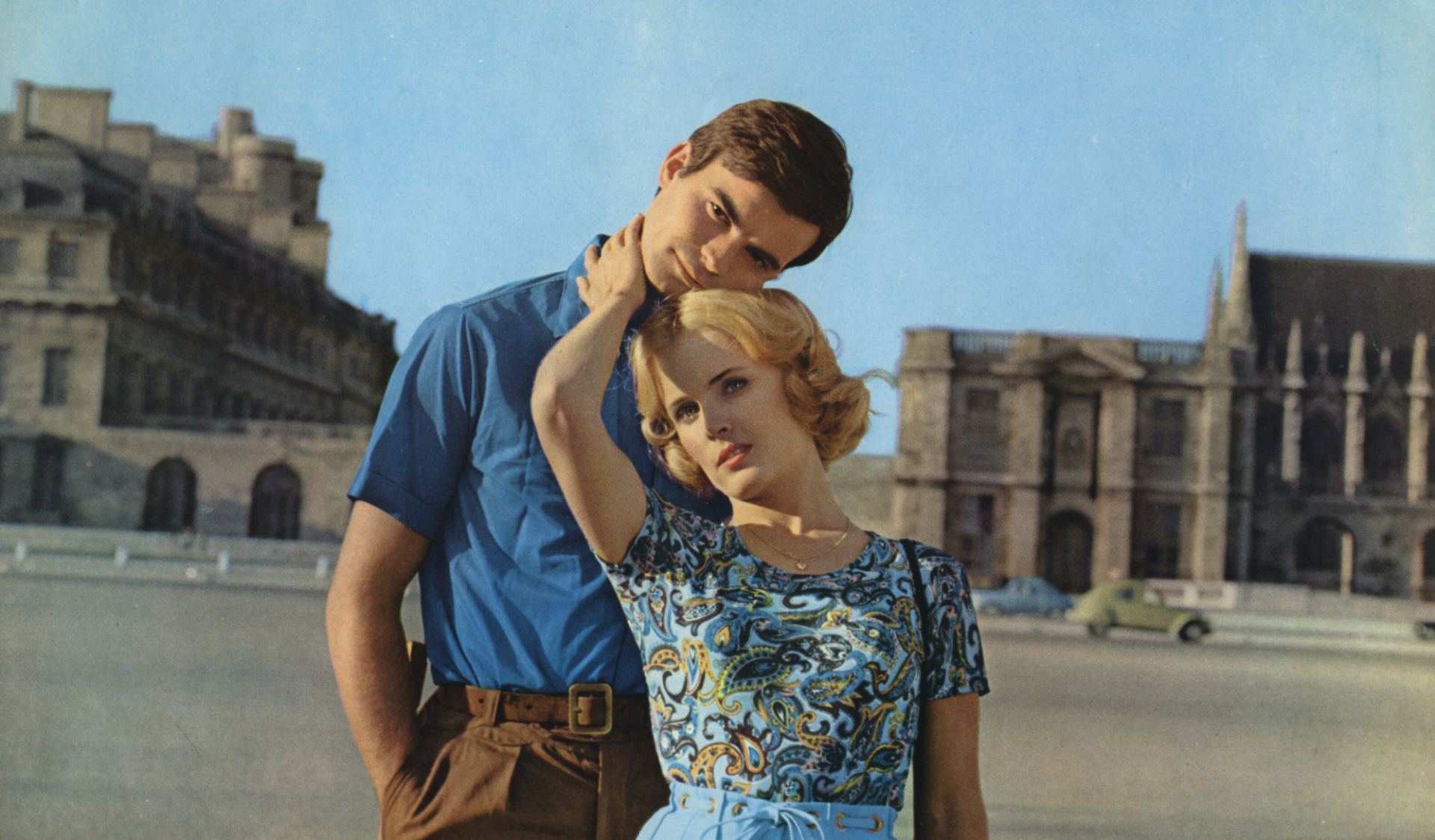
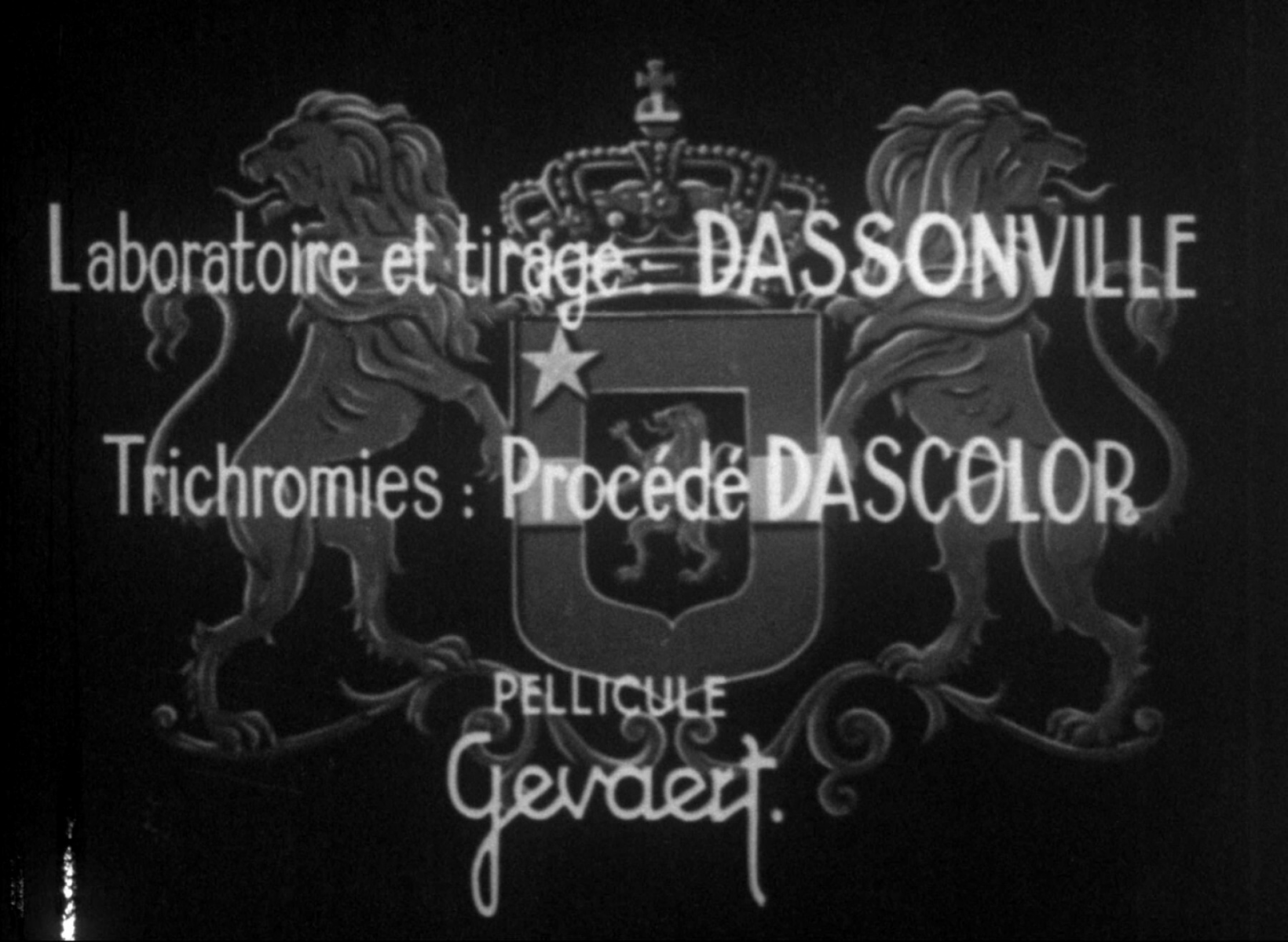
An evening dedicated to Dascolor, an unusual and ambitious natural colour film process patented in 1930 by the Brussels-based cinematographer Léon-Josse Dassonville. During a lecture at CINEMATEK on 16 November, photographer and film historian Hilde D’haeyere will explore various aspects of the Dascolor process, tracing its historical context and technical developments.